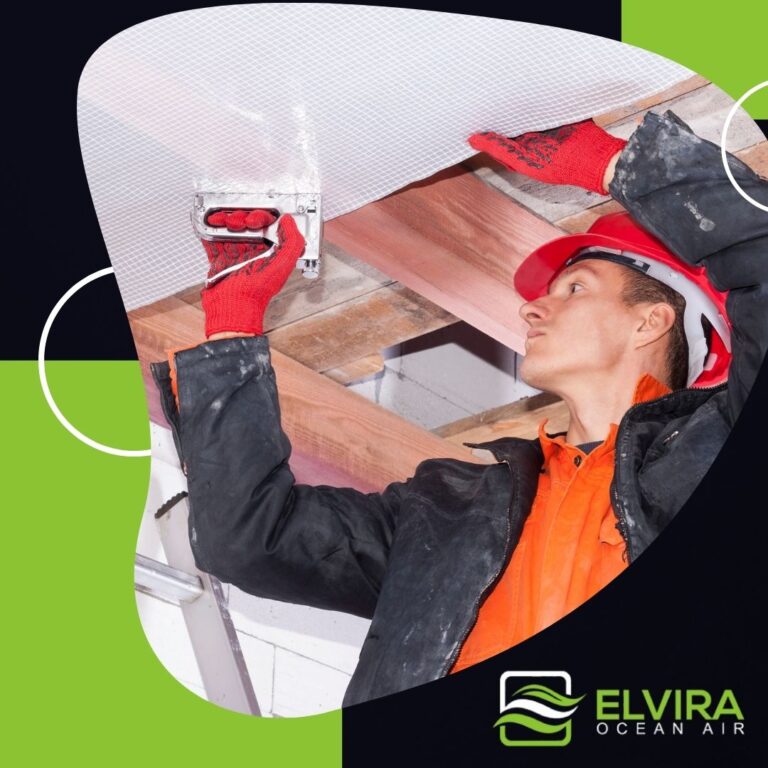
How does a radiant barrier work?
The sun heats the roof, and the underside of the roof deck radiates that heat down into the attic. A radiant barrier is a reflective foil layer stapled to the rafters or laid under the roof deck that reflects that radiant heat back and gives off little of its own, so the attic, the ceiling below it and any ducts in it stay cooler. It only works against radiant heat, so its benefit depends on how much sun the roof gets.
Is a radiant barrier worth it in the Valley?
Because it blocks radiant heat from the roof, a radiant barrier earns its keep in hot, sunny climates, and most of all where ducts and the air handler sit in the attic. The San Fernando Valley has long, sunny summers. It is worth it when:
- Your AC and ducts are in the attic; if that system is also near the end of its life, see AC installation.
- The roof gets full afternoon sun.
- Upstairs or top-floor rooms stay hot into the evening.
It is less useful in a shaded house or one with no attic ducts and deep insulation already.
Radiant barrier vs attic insulation
They solve different parts of the problem. Insulation slows heat conducted through the ceiling; a radiant barrier stops radiant heat from the roof. A barrier does not replace insulation, and many attics benefit from both. See attic insulation.

The installation process
- Attic inspection: roof framing, ventilation, existing insulation and ducts.
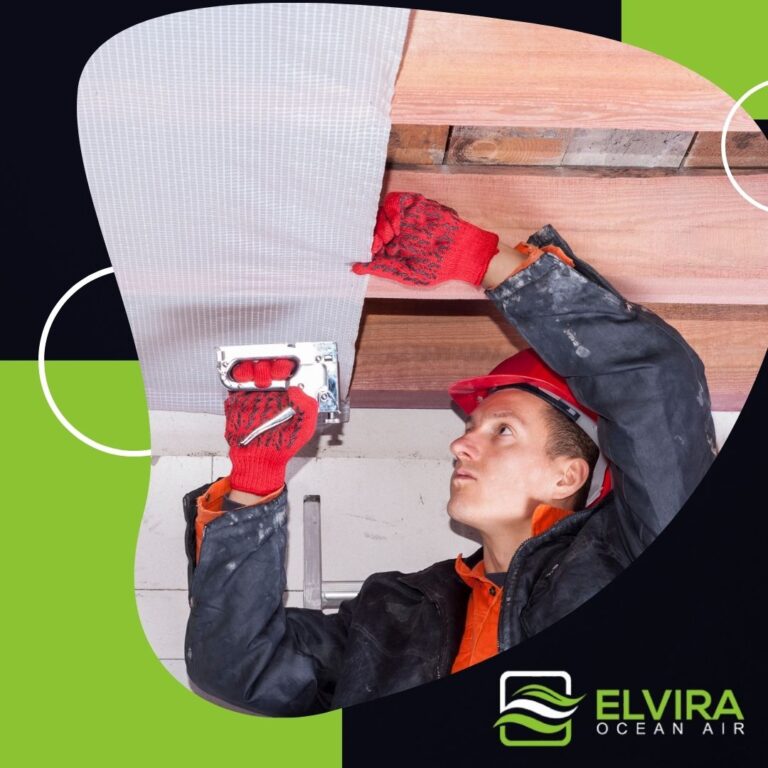
- Foil installed on the underside of the rafters with an air gap and the reflective side facing the open attic.
- Attic ventilation checked so heat can leave the space.
- Optional: insulation topped up and ducts sealed in the same visit; see air duct replacement.
What customers say about Elvira Ocean Air
"Sam and his team were amazing start to finish."
"I am very happy with the work they did. Ernest was the one who got the job done fast with good and reasonable price."
"Sam was very responsive and the tech that came out Val was very courteous, Thorough and efficient."
Radiant barrier questions
Does a radiant barrier help in winter?
A little, by reflecting some heat back toward the house, but its main benefit in Los Angeles is in summer.
Can a radiant barrier be added to an existing home?
Yes. It is installed from inside the attic on the underside of the rafters; no roof work is needed.
What affects radiant barrier cost?
Attic size, roof framing and access, and whether insulation or duct work is done at the same time. The quote is free and our pricing is up front.